

Square roots and Heron’s method
Step by step, a rectangle turns into a square with the same area. The method is almost 2000 years old and reaches √2 surprisingly quickly.
The curriculum assigns these units to exactly this grade (Saxony, Gymnasium up to grade 12). The unit numbers are the curriculum’s; optional areas (“Wahlbereiche”) are labelled W1–W3 here.
Powers and roots with the laws of exponents, power functions and quadratic functions with parameters, solving quadratic equations and simple optimisation problems.
Step by step, a rectangle turns into a square with the same area. The method is almost 2000 years old and reaches √2 surprisingly quickly.
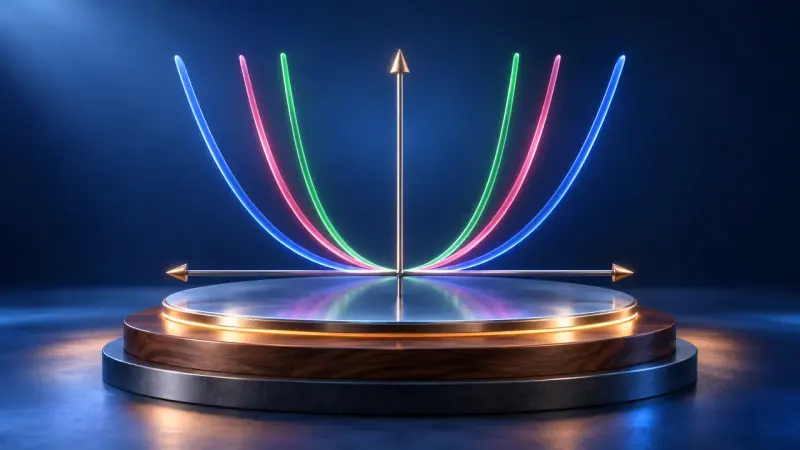
Even or odd, positive or negative: y = a · xⁿ changes with every exponent, and only a few points always stay the same.

The hyperbola gets ever closer to its asymptotes and yet never touches them. Shifting and stretching show what the parameters do.
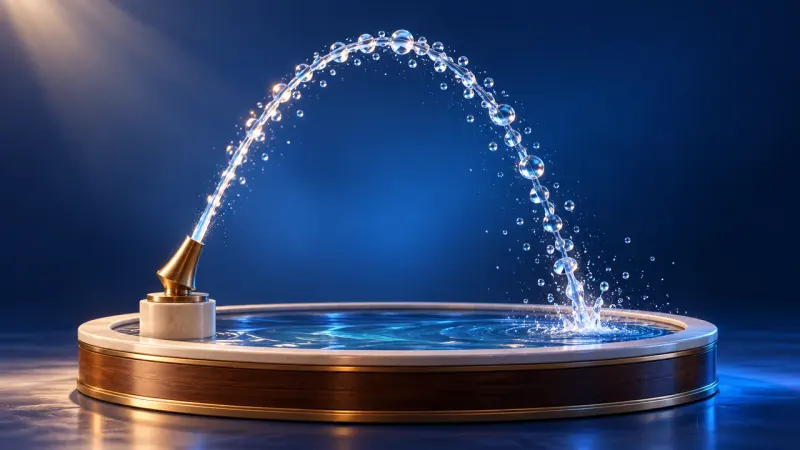
Stretch, reflect and shift parabolas and read off the vertex and the zeros.
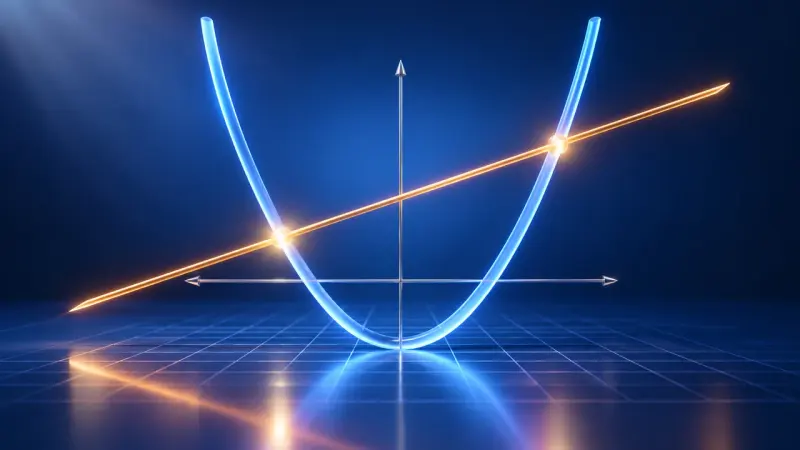
Draw both sides of an equation as graphs. The solutions are where the graphs cross.
Which enclosure has the largest area? Picture and graph show the maximum, first by trying, then by exact calculation.
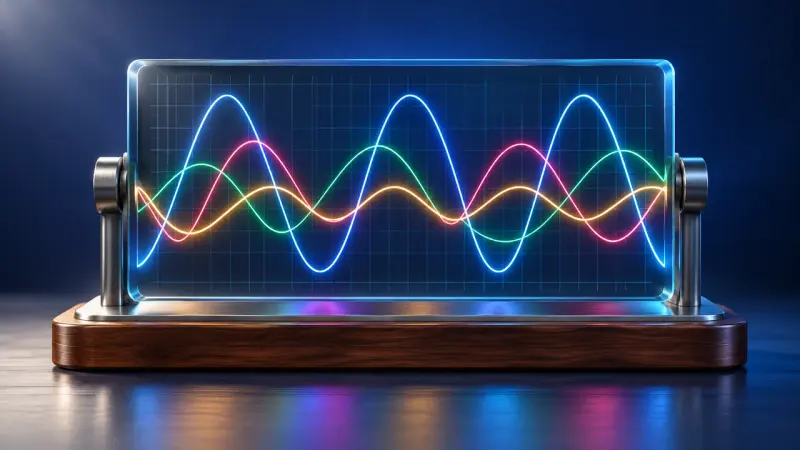
Up to three of your own functions at once, with a table of values, zeros and intersections. The tool for anything that can be a graph.
Circumference and area of circles and sectors, surface area, volume and mass of cylinders and spheres.
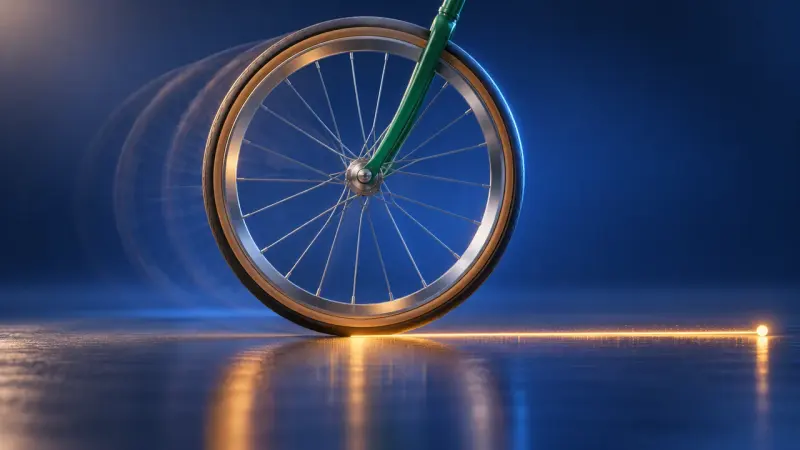
A wheel rolls once and travels a bit more than three times its diameter. Cut into pieces, the circle becomes a rectangle and the area formula follows.
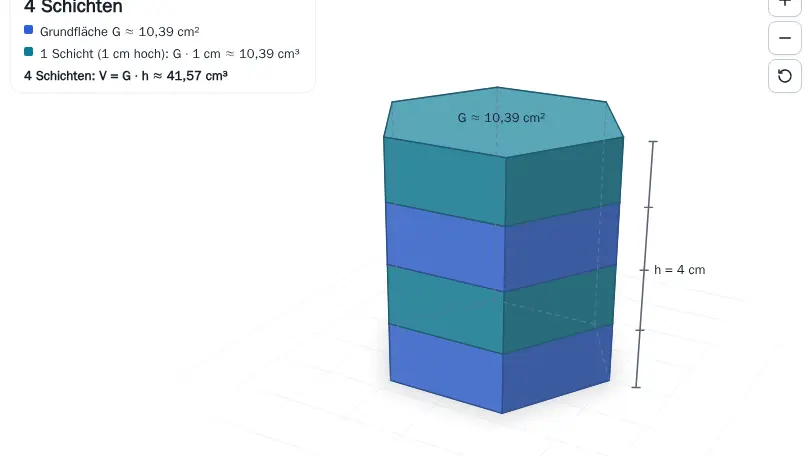
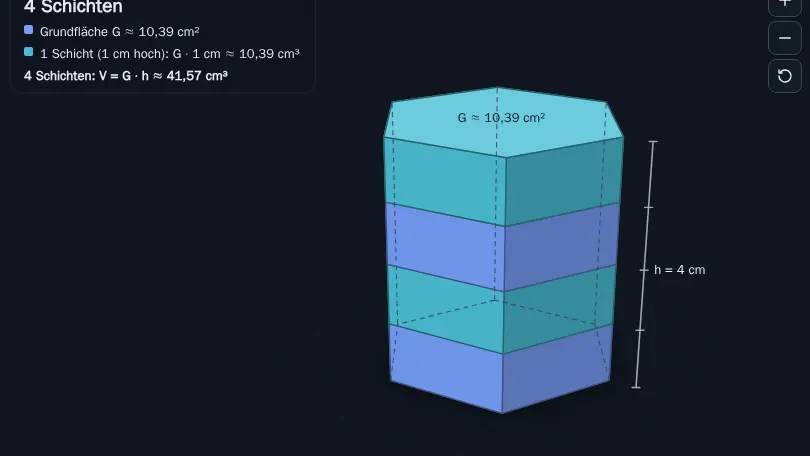
Layer by layer a prism grows upwards, and the curved surface of a cylinder unrolls into a rectangle.

Pour three times and the prism is full: a pyramid holds exactly one third. Cones and spheres can be turned and measured in 3D.
Pythagoras’ theorem with proof, the altitude and leg theorems, sine, cosine and tangent; calculations including pyramids and cones.
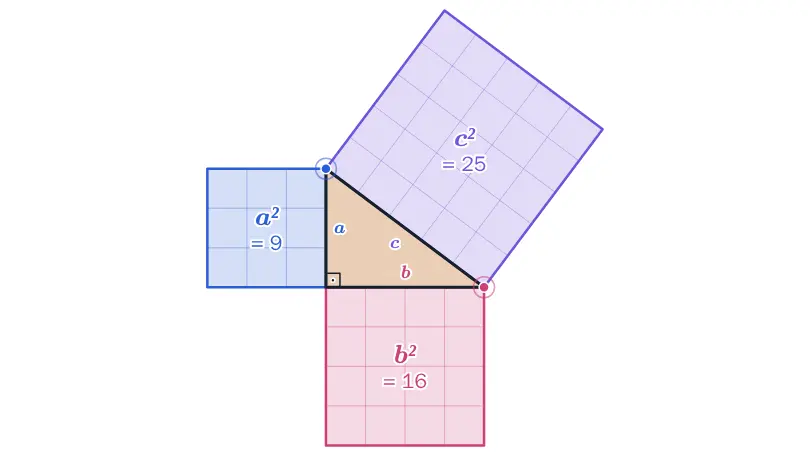

Squares on the sides of a right triangle and a puzzle proof show: a² + b² = c².

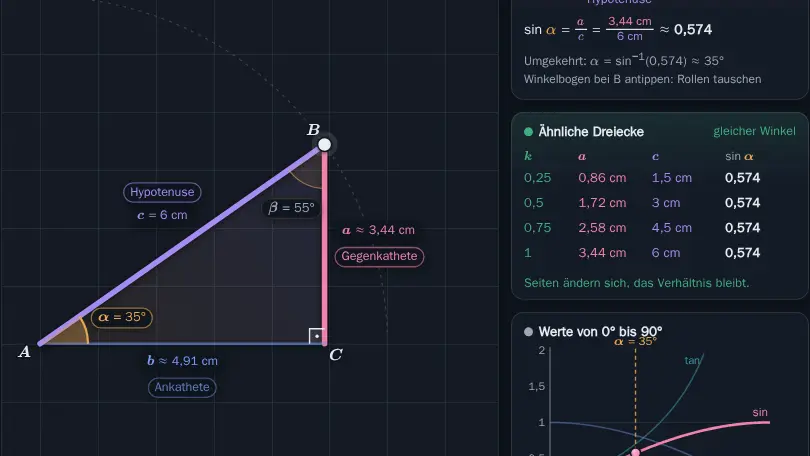
In a right triangle, the ratio of two sides depends only on the angle. This gives sine, cosine and tangent, with examples such as ramps and ladders.
Pour three times and the prism is full: a pyramid holds exactly one third. Cones and spheres can be turned and measured in 3D.
Mode, median and mean, range, variance and standard deviation, histograms, and errors and manipulation in statistics.

One outlier pulls the mean away while the median barely moves. Dragging single data points shows which value is how robust.
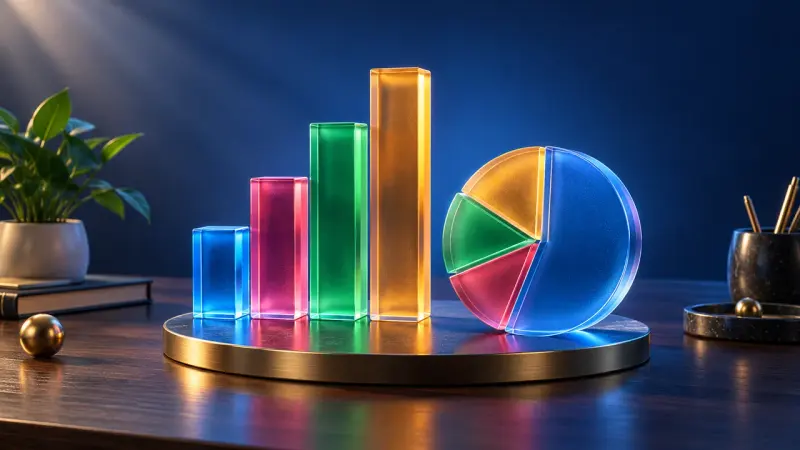
Show the same data as bar, line and pie charts and more, and discover how charts can mislead.
Using computers to solve problems and judging the results critically.
No separate simulation is planned for this.
Definition, construction and occurrence in art and architecture.
No separate simulation is planned for this.
History, different proofs and Pythagorean triples.
Squares on the sides of a right triangle and a puzzle proof show: a² + b² = c².
Parallel projections and true sizes in technical drawings.
No separate simulation is planned for this.
The summaries describe the curriculum in our own words. The original text is authoritative. Original text (German): Lehrplan, Gymnasium, Mathematics, grade 9